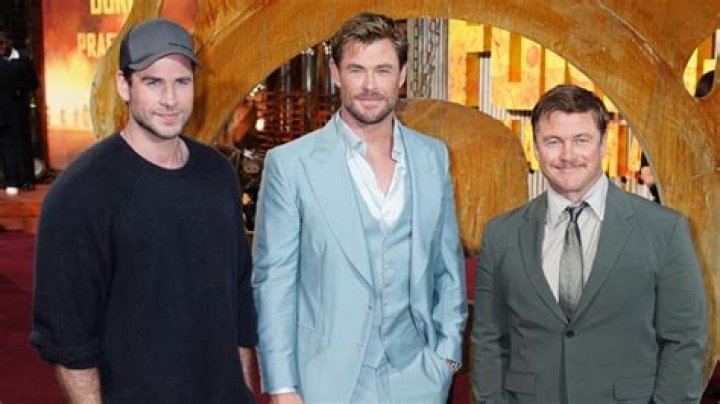
Highly favored clothing refers to attire that is widely sought after and admired for its aesthetic appeal, comfort, durability, or other desirable qualities. It often reflects current fashion trends, cultural influences, and personal preferences.
Highly favored clothing can have significant importance and benefits. It can enhance self-confidence, make a statement, and provide a sense of belonging. Historically, certain garments have held cultural and social significance, representing status, profession, or religious affiliation.
In the following sections, we will explore the various aspects of highly favored clothing, including its impact on fashion, culture, and personal style. We will also discuss the factors that contribute to the popularity of certain garments and how they evolve over time.
Highly Favored Clothing
Highly favored clothing encompasses a wide range of garments that are esteemed for their aesthetic appeal, comfort, and cultural significance. Here are nine key aspects that explore various dimensions related to highly favored clothing:
- Style: Clothing that aligns with current fashion trends and personal preferences.
- Comfort: Garments designed to provide ease of movement and physical well-being.
- Durability: Clothing made from high-quality materials that can withstand wear and tear.
- Functionality: Clothing designed for specific activities or purposes, such as sportswear or workwear.
- Cultural Significance: Garments that hold cultural or religious importance, representing traditions and beliefs.
- Social Status: Clothing that reflects an individual's social standing or profession.
- Personal Expression: Clothing that allows individuals to express their creativity and individuality.
- Historical Influence: Clothing that has evolved over time, influenced by historical events and societal changes.
- Economic Impact: The production and consumption of highly favored clothing has a significant impact on the fashion industry and economy.
These key aspects are interconnected and influence the popularity and evolution of highly favored clothing. For example, a garment may be highly favored due to its stylish design and comfortable fit, while also holding cultural significance within a particular community. The demand for highly favored clothing drives innovation within the fashion industry, leading to the creation of new designs and materials that meet the evolving needs and desires of consumers.
Style
Style plays a crucial role in determining the popularity and desirability of highly favored clothing. Garments that align with current fashion trends and personal preferences are more likely to be sought after and admired by consumers.
- Trend-Driven Fashion: The fashion industry is constantly evolving, with new trends emerging each season. Highly favored clothing often incorporates these trends, whether it's bold colors, unique silhouettes, or innovative fabrics.
- Personal Expression: Style also encompasses personal preferences and individual expression. People choose clothing that reflects their personality, values, and aspirations. Highly favored clothing allows individuals to showcase their unique sense of style and make a statement.
- Cultural Influences: Fashion trends and personal preferences are often influenced by cultural factors. For example, traditional garments from different cultures may become highly favored within mainstream fashion.
- Celebrity Endorsements: Celebrities and influencers have a significant impact on fashion trends. When they wear particular clothing items, it can generate buzz and increase the popularity of those items among consumers.
In summary, style is a key aspect of highly favored clothing. It encompasses both adherence to current fashion trends and the expression of personal preferences. By understanding the interplay between style and consumer desires, fashion designers can create clothing that resonates with the masses and achieves widespread popularity.
Comfort
Comfort is a crucial aspect of highly favored clothing. Garments that provide ease of movement and physical well-being are more likely to be sought after and appreciated by consumers. There are several reasons for this:
- Functionality: Comfortable clothing allows individuals to move freely and perform daily activities without restriction. This is especially important for clothing worn during physical activities, such as sportswear or workwear.
- Well-being: Comfortable clothing can contribute to overall well-being by reducing physical discomfort and promoting relaxation. Soft, breathable fabrics and ergonomic designs can help prevent chafing, overheating, and other physical issues.
- All-day Wear: Highly favored clothing is often designed to be comfortable enough to wear all day long. This makes it suitable for various occasions, from casual outings to formal events.
The importance of comfort in highly favored clothing is evident in the popularity of athleisure wear. Athleisure garments combine the comfort and functionality of sportswear with the style and aesthetics of everyday clothing. This trend reflects the growing consumer demand for clothing that is both comfortable and fashionable.
Understanding the connection between comfort and highly favored clothing is essential for fashion designers and manufacturers. By prioritizing comfort in their designs, they can create garments that meet the needs and desires of consumers, leading to increased popularity and commercial success.
Durability
Durability is a key aspect of highly favored clothing. Garments made from high-quality materials that can withstand wear and tear are more likely to be sought after and valued by consumers. This is for several reasons:
- Longevity: Durable clothing lasts longer, providing consumers with a greater return on their investment. This is especially important for expensive items, such as designer clothing or formal wear.
- Reliability: Durable clothing can be relied upon to perform well, even after repeated use and washing. This makes it a good choice for clothing that is worn frequently or in demanding environments.
- Sustainability: Durable clothing is more sustainable than disposable clothing. It can be worn for longer periods of time, reducing the need for frequent replacements. This can have a positive impact on the environment.
The importance of durability in highly favored clothing is evident in the popularity of well-made classics. These garments are often made from high-quality materials, such as leather, wool, or silk, and are designed to last for many years. While they may not always be the most fashionable items, they are highly valued for their durability and timeless style.
Understanding the connection between durability and highly favored clothing is essential for fashion designers and manufacturers. By using high-quality materials and construction techniques, they can create garments that are both stylish and durable, meeting the needs and desires of consumers.
Functionality
Functionality plays a vital role in determining the popularity and desirability of highly favored clothing. Garments designed for specific activities or purposes, such as sportswear or workwear, are often highly sought after due to their ability to meet specific needs and enhance performance.
For instance, sportswear is designed to provide comfort, flexibility, and moisture-wicking properties, making it ideal for athletic activities. Similarly, workwear is designed to protect against hazards, provide durability, and facilitate movement, making it suitable for various work environments. When clothing effectively serves its intended purpose, it becomes highly favored among consumers who value both style and practicality.
The importance of functionality in highly favored clothing is also evident in the growing popularity of athleisure wear. Athleisure garments combine the functionality of sportswear with the aesthetics of everyday clothing, making them suitable for both active and casual settings. This trend reflects the increasing demand for clothing that can transition seamlessly between different aspects of life.
Understanding the connection between functionality and highly favored clothing is crucial for fashion designers and manufacturers. By incorporating functional elements into their designs, they can create garments that meet the evolving needs of consumers. This can lead to increased popularity, commercial success, and customer satisfaction.
Cultural Significance
Cultural significance plays a profound role in shaping the appeal and desirability of highly favored clothing. Garments that hold cultural or religious importance, representing traditions and beliefs, often evoke strong emotions and a sense of belonging among individuals. This connection between cultural significance and highly favored clothing manifests in several key facets:
- Traditional Dress: Traditional garments, deeply rooted in cultural heritage, are highly favored within specific communities. They symbolize cultural identity, connect individuals to their ancestors, and are often worn during festivals, ceremonies, and other cultural events.
- Religious Attire: Religious garments hold immense significance for followers of various faiths. They represent spiritual beliefs, modesty, and a connection to the divine. Examples include the hijab in Islam, the kippah in Judaism, and the cassock in Christianity.
- Cultural Expression: Clothing can be a powerful medium for cultural expression. Designers and consumers alike draw inspiration from diverse cultures, incorporating traditional motifs, patterns, and colors into contemporary fashion. This cross-cultural exchange fosters appreciation and understanding.
- Symbolism and Identity: Culturally significant garments often carry symbolic meanings and serve as markers of identity. For instance, the tartan in Scottish culture represents clan affiliation, while the kimono in Japanese culture signifies elegance and tradition.
The connection between cultural significance and highly favored clothing underscores the profound influence of culture on fashion and personal style. By embracing and celebrating cultural diversity, the fashion industry can create garments that resonate with consumers on a deeper level, fostering a sense of belonging and connection.
Social Status
In exploring the connection between "Social Status: Clothing that reflects an individual's social standing or profession." and "highly favored clothing", it becomes evident that social status plays a significant role in shaping the desirability and favorability of clothing.
Historically, clothing has been used as a visual indicator of social status. In many cultures, specific garments, fabrics, and accessories were reserved for individuals of higher social standing. For example, in medieval Europe, sumptuary laws dictated the types of clothing that could be worn by different societal ranks. This practice reinforced social hierarchies and provided a clear visual distinction between the elite and the commoners.
In contemporary society, while social status may not be as rigidly defined by clothing choices, it still exerts a subtle influence on fashion trends and preferences. Certain brands, designers, and styles are often associated with affluence, power, and success. Individuals may seek out highly favored clothing as a means of projecting a desired social status or achieving a sense of belonging within a particular social group.
Understanding the connection between social status and highly favored clothing is important for fashion designers and marketers. By incorporating elements that appeal to specific social groups, they can create garments that resonate with the aspirations and desires of their target audience. This understanding also extends to personal styling and image consulting, where individuals can leverage clothing choices to enhance their professional presence and social standing.
Personal Expression
The connection between "Personal Expression: Clothing that allows individuals to express their creativity and individuality." and "highly favored clothing" is multifaceted and deeply intertwined. Highly favored clothing often goes beyond mere aesthetics and functionality; it becomes a canvas for self-expression and a reflection of one's unique identity.
Personal expression through clothing has gained immense significance in contemporary society. Individuals seek out highly favored clothing that aligns with their personal style, values, and aspirations. This phenomenon is particularly evident in youth culture, where fashion choices serve as a means of self-discovery and social differentiation. By embracing unique and expressive clothing, individuals can communicate their individuality and stand out from the crowd.
Moreover, highly favored clothing often incorporates elements of personal expression, allowing individuals to showcase their creativity and artistic flair. Limited-edition pieces, vintage finds, and customized garments become covetable items that reflect the wearer's unique taste and style. Personal touches, such as DIY embellishments or upcycled clothing, further enhance the expressive value of highly favored clothing.
Understanding the connection between personal expression and highly favored clothing is crucial for fashion designers and retailers. By catering to the desire for self-expression, they can create garments that resonate with consumers on a personal level, fostering emotional connections and building brand loyalty.
Historical Influence
The connection between "Historical Influence: Clothing that has evolved over time, influenced by historical events and societal changes." and "highly favored clothing" is undeniable. Throughout history, clothing has played a pivotal role in reflecting the cultural, social, and technological advancements of each era. Highly favored clothing often draws inspiration from past trends, reinterpreting and adapting them to suit contemporary tastes and sensibilities.
Historical events and societal changes have a profound impact on the evolution of clothing. For example, during wartime, clothing may become more utilitarian and practical, with an emphasis on functionality and durability. Conversely, during periods of peace and prosperity, fashion tends to become more elaborate and decorative, reflecting a desire for self-expression and indulgence.
Understanding the historical influence on highly favored clothing is crucial for fashion designers and historians alike. By studying past trends and understanding the factors that shaped them, designers can create garments that resonate with consumers on a deeper level. Additionally, historical clothing can provide valuable insights into the social and cultural norms of different eras.
Economic Impact
Highly favored clothing holds immense economic significance, influencing various aspects of the fashion industry and the broader economy. The production, distribution, and consumption of highly favored clothing generate revenue, create jobs, and contribute to economic growth.
The fashion industry, driven by consumer demand for highly favored clothing, is a major economic force globally. It encompasses design, manufacturing, retail, and marketing, employing millions of people worldwide. The production of highly favored clothing involves the utilization of raw materials, manufacturing processes, and labor, contributing to industrial output and economic development.
Moreover, the consumption of highly favored clothing stimulates economic activity through retail sales. Consumers spend considerable amounts on acquiring the latest trends and coveted fashion pieces. This spending fuels the growth of fashion brands, department stores, and online retailers. Additionally, the resale and vintage clothing market contributes to the economic impact of highly favored clothing, extending its lifespan and creating new revenue streams.
Understanding the economic impact of highly favored clothing is crucial for policymakers, industry leaders, and investors. It highlights the importance of the fashion industry as a driver of economic growth. Furthermore, it emphasizes the need for sustainable practices throughout the production and consumption cycle of highly favored clothing to minimize environmental impact and promote economic longevity.
FAQs on Highly Favored Clothing
This section provides answers to commonly asked questions regarding highly favored clothing, offering insights into its significance, impact, and evolution.
Question 1: What factors contribute to the high favorability of certain clothing items?
Several factors influence the popularity of clothing, including style, comfort, durability, functionality, cultural significance, and personal expression. Highly favored clothing often embodies a combination of these attributes, appealing to a wide range of consumers.
Question 2: How does cultural background influence the perception of highly favored clothing?
Cultural background plays a significant role in shaping preferences for clothing. Traditional garments, religious attire, and culturally symbolic motifs hold deep meaning within specific communities, making them highly favored among members of those cultures.
Question 3: What is the economic impact of highly favored clothing?
The production and consumption of highly favored clothing has a substantial economic impact. It drives the fashion industry, creates jobs, and generates revenue through retail sales. The resale and vintage clothing market further contributes to the economic significance of highly favored clothing.
Question 4: How does the fashion industry respond to the demand for highly favored clothing?
The fashion industry monitors trends and consumer preferences to meet the demand for highly favored clothing. Designers draw inspiration from various sources, including historical influences, cultural elements, and personal expression. By understanding the factors that drive favorability, the industry can cater to the evolving tastes and needs of consumers.
Question 5: What are the ethical considerations surrounding the production and consumption of highly favored clothing?
Ethical considerations related to highly favored clothing include sustainable practices, fair labor conditions, and responsible disposal. Consumers are becoming increasingly aware of the environmental and social impact of their fashion choices, leading to a demand for ethical and sustainable clothing options.
Question 6: How can individuals make informed choices about highly favored clothing?
To make informed choices about highly favored clothing, individuals can consider factors such as personal style, comfort, durability, ethical considerations, and the longevity of trends. By understanding the motivations behind their clothing choices, consumers can make decisions that align with their values and preferences.
In summary, highly favored clothing encompasses a wide range of garments that are esteemed for their aesthetic appeal, comfort, cultural significance, and economic impact. Understanding the factors that contribute to the popularity of certain clothing items is essential for fashion designers, industry professionals, and consumers alike.
The next section will explore the evolution of highly favored clothing throughout history and its impact on society and culture.
Tips for Choosing Highly Favored Clothing
Selecting highly favored clothing requires careful consideration of various factors that influence its appeal and desirability. Here are several tips to guide you in making informed choices:
Tip 1: Identify Your Personal Style
Determine your unique style preferences by considering your body type, coloring, and lifestyle. Identify the silhouettes, colors, and patterns that complement your appearance and make you feel confident.
Tip 2: Prioritize Comfort and Functionality
Choose clothing that provides comfort and functionality for your intended activities. Consider factors such as fabric breathability, range of motion, and durability to ensure your clothing meets your practical needs.
Tip 3: Explore Cultural Influences
Incorporate cultural elements into your wardrobe to express your heritage or appreciate diverse aesthetics. Traditional garments, ethnic motifs, and symbolic patterns can add depth and meaning to your outfits.
Tip 4: Stay Informed about Fashion Trends
While personal style is important, staying aware of current fashion trends can help you make informed choices about highly favored clothing. Observe industry publications, fashion shows, and street style to identify emerging trends that align with your preferences.
Tip 5: Consider Ethical and Sustainable Practices
Make ethical and sustainable choices by opting for clothing produced using environmentally friendly practices and fair labor conditions. Supporting brands that prioritize sustainability ensures your wardrobe reflects your values.
Summary:
By following these tips, you can make informed decisions about highly favored clothing. Remember to consider your personal style, comfort, cultural influences, fashion trends, and ethical considerations to create a wardrobe that reflects your unique identity and meets your practical needs.
Choosing highly favored clothing is not just about following trends but about expressing yourself, embracing diversity, and making responsible choices. By incorporating these tips into your shopping habits, you can curate a wardrobe that is both stylish and meaningful.
Conclusion
In conclusion, highly favored clothing transcends mere aesthetics, encompassing a multitude of factors that influence its desirability and significance. This article has explored the diverse aspects of highly favored clothing, including style, comfort, durability, functionality, cultural significance, social status, personal expression, historical influence, and economic impact. Understanding these factors empowers consumers to make informed choices that align with their unique needs and preferences.
Highly favored clothing not only reflects individual style but also serves as a reflection of cultural heritage, societal values, and economic trends. As the fashion industry continues to evolve, the concept of highly favored clothing will undoubtedly continue to shape and be shaped by the ever-changing landscape of personal expression and global influences. By embracing diversity, prioritizing ethical practices, and celebrating the power of self-expression through clothing, we can foster a more inclusive and sustainable fashion ecosystem.
Discover The Secrets Of Washington Hiking And Climbing: Unveil Nature's Hidden Gems
Unveiling The Visionary Impact Of Bernadette Lim In Education
Uncover DC's Vibrant Spirit Through The Lens Of Street Photography