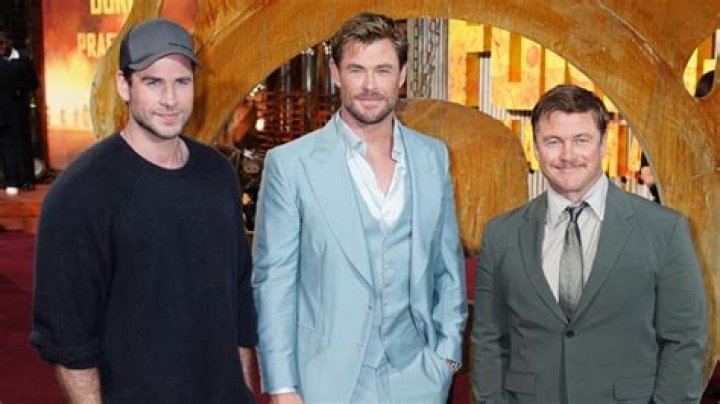
Harold Ford Jr. is a notable American politician and attorney who served in the United States House of Representatives from 1997 to 2007. His religious affiliation has been a subject of speculation and interest due to his public stances on various social and political issues that often align with Catholic values. However, there is no definitive information available to confirm whether Harold Ford Jr. is a practicing Catholic.
The importance of Harold Ford Jr.'s religious affiliation lies in the potential implications it may have on his policy positions and voting record. As a Catholic, he may be more likely to support policies that are consistent with Catholic teachings on social justice, such as providing assistance to the poor and marginalized. Additionally, his religious beliefs may influence his views on issues such as abortion and same-sex marriage, which are often debated topics within the Catholic Church.
While Harold Ford Jr.'s religious affiliation remains a matter of speculation, his background and upbringing may provide some insights. He was raised in a Baptist household, and his mother was a devout Christian. However, it is possible that he converted to Catholicism later in life, as many individuals do for various personal reasons. Ultimately, the confirmation of Harold Ford Jr.'s religious affiliation would require a direct statement from him or his representatives.
Is Harold Ford a Catholic?
Harold Ford Jr.'s religious affiliation is a topic of interest due to his political stances and personal background. While there is no definitive information to confirm his religious beliefs, exploring various dimensions related to this question can provide insights into its potential implications.
- Personal Faith: Ford Jr.'s personal beliefs and spiritual practices shape his values and moral compass.
- Public Stances: His public positions on social and political issues may align with Catholic teachings, but not exclusively.
- Family Influence: His upbringing in a Baptist household and his mother's devout Christianity may have influenced his religious views.
- Constituency: As a politician, Ford Jr. represents a diverse constituency with varying religious backgrounds.
- Political Climate: The religious landscape in the United States and its influence on politics can impact his decisions.
- Privacy: Ford Jr. has the right to keep his religious beliefs private, and speculation should be avoided.
- Interfaith Dialogue: Regardless of his personal affiliation, Ford Jr.'s engagement with different faiths is crucial for fostering understanding.
- Separation of Church and State: It is essential to maintain a separation between religious beliefs and political decision-making.
Ultimately, Harold Ford Jr.'s religious affiliation remains a matter of personal choice and privacy. While it may influence his personal and political life, it should not be the sole factor in evaluating his character or qualifications. Respecting his right to privacy and engaging in respectful dialogue about the role of religion in public life are crucial for fostering a tolerant and inclusive society.
Personal Faith
Harold Ford Jr.'s personal faith, regardless of its specific affiliation, undoubtedly influences his values and moral compass. This connection is crucial because personal beliefs often serve as the foundation for ethical decision-making and guide individuals in their actions and interactions.
For example, if Harold Ford Jr. adheres to Catholic teachings, his personal faith may lead him to prioritize social justice, compassion, and the dignity of all individuals. These values would likely shape his stances on issues such as poverty, healthcare, and criminal justice reform.
Understanding the connection between personal faith and values is essential for comprehending Harold Ford Jr.'s approach to politics and public service. His faith may motivate him to seek policies that align with his moral compass and contribute to the common good.
Public Stances
The connection between Harold Ford Jr.'s public stances and Catholic teachings is a complex and multifaceted one. While his positions on certain issues may align with Catholic doctrine, it is important to recognize that this alignment does not exclusively define his religious affiliation or personal beliefs.
One key aspect to consider is that Catholic teachings encompass a wide range of social and political issues, including but not limited to abortion, same-sex marriage, and economic justice. Harold Ford Jr.'s public stances on these issues may be influenced by a variety of factors, including his personal experiences, constituents' views, and his interpretation of Catholic teachings.
For example, Harold Ford Jr. has expressed support for policies that provide assistance to low-income families and individuals, which aligns with Catholic teachings on social justice and the preferential option for the poor. However, he has also expressed support for abortion rights, which is not in line with the official position of the Catholic Church.
Ultimately, the connection between Harold Ford Jr.'s public stances and Catholic teachings is a matter of interpretation and personal discernment. While his positions may align with Catholic teachings on certain issues, they do not provide conclusive evidence of his religious affiliation or personal beliefs.
Family Influence
The influence of Harold Ford Jr.'s family, particularly his upbringing in a Baptist household and his mother's devout Christianity, is a significant factor in understanding the development of his religious views. While it does not conclusively determine whether he is Catholic, it provides context for his spiritual journey and moral compass.
- Religious Background and Practices: Harold Ford Jr.'s upbringing in a Baptist household exposed him to Christian teachings, values, and practices from a young age. This foundation may have shaped his understanding of faith, morality, and the role of religion in personal and public life.
- Parental Influence: His mother's devout Christianity likely played a significant role in instilling religious values and beliefs within him. Her personal faith and commitment to the church may have influenced his own spiritual development and his approach to ethical decision-making.
- Cultural and Community Context: The Baptist tradition and the broader Christian community in which Harold Ford Jr. was raised provided a social and cultural context that reinforced his religious upbringing. This environment may have influenced his views on issues such as social justice, compassion, and the importance of faith-based organizations.
- Personal Interpretation and Evolution: While his family influence undoubtedly shaped his religious foundation, it is important to recognize that Harold Ford Jr.'s own personal interpretation and evolution of beliefs may have led him to explore different aspects of spirituality or even adopt different religious affiliations later in life.
In conclusion, Harold Ford Jr.'s family influence, particularly his upbringing in a Baptist household and his mother's devout Christianity, provides valuable insights into the formation of his religious views. While it does not definitively establish his Catholic affiliation, it highlights the complex interplay between family, personal experiences, and spiritual journeys in shaping an individual's religious identity.
Constituency
The connection between Harold Ford Jr.'s constituency and the question of his Catholic affiliation lies in the complex interplay between personal beliefs, political representation, and the dynamics of religious diversity within a constituency.
As a politician, Harold Ford Jr. represents a diverse constituency with varying religious backgrounds, including Catholics, Protestants, Jews, Muslims, and individuals with no religious affiliation. This diversity poses both opportunities and challenges for him as he navigates the political landscape and makes decisions that affect his constituents.
On the one hand, representing a diverse constituency requires Harold Ford Jr. to be sensitive to the religious beliefs and values of all his constituents. He must consider how his actions and policies may impact different religious groups and strive to find common ground that respects the rights and beliefs of all.
On the other hand, the diversity of his constituency may also provide him with a unique opportunity to bridge religious divides and foster interfaith dialogue. By engaging with different faith communities and promoting understanding, he can contribute to a more inclusive and harmonious society.
Ultimately, the question of Harold Ford Jr.'s Catholic affiliation is a personal one, and his religious beliefs should not be the sole factor in evaluating his fitness for office. However, understanding the connection between his constituency and his religious affiliation provides insights into the complex challenges and opportunities he faces as a political representative.
Political Climate
The political climate in the United States is deeply influenced by the religious landscape, and this can have a significant impact on the decisions made by politicians like Harold Ford Jr. Religious beliefs, values, and moral principles can shape a politician's views on a wide range of issues, including social welfare, education, healthcare, and foreign policy.
For example, Harold Ford Jr.'s stance on abortion may be influenced by the fact that a majority of Catholics in the United States oppose abortion. Similarly, his views on same-sex marriage may be shaped by the fact that the Catholic Church does not recognize same-sex unions as valid marriages. Furthermore, his support for social justice programs may be rooted in the Catholic Church's emphasis on helping the poor and marginalized.
Understanding the connection between the political climate and Harold Ford Jr.'s religious affiliation is crucial because it provides insights into the factors that may influence his decision-making process. While his personal beliefs should not be the sole determinant of his policy positions, they can provide valuable context for understanding his stance on various issues.
Privacy
The connection between the privacy of Harold Ford Jr.'s religious beliefs and the question of "is Harold Ford a Catholic" lies in the fundamental right to religious freedom and the importance of respecting personal boundaries.
- Freedom of Religion: The United States Constitution guarantees the right to freedom of religion, which includes the right to hold and practice one's religious beliefs without government interference or coercion. This right extends to the privacy of one's religious beliefs, meaning that individuals have the right to keep their religious affiliations and practices confidential.
- Personal Boundaries: Respecting personal boundaries is essential for maintaining harmonious relationships and fostering a tolerant society. Speculating about someone's religious beliefs without their consent can be intrusive and disrespectful, especially when it comes to sensitive topics like religion.
- Focus on Policy and Public Service: Rather than focusing on Harold Ford Jr.'s personal religious beliefs, it is more appropriate to evaluate him based on his policy positions, public service record, and qualifications for the role he holds. His religious affiliation should not be a determining factor in assessing his competence or suitability for office.
In conclusion, respecting Harold Ford Jr.'s right to privacy regarding his religious beliefs is not only a matter of respecting his personal boundaries but also aligns with the fundamental principles of religious freedom and tolerance. When discussing public figures, it is crucial to focus on their actions, policies, and qualifications rather than engaging in speculation about their private beliefs.
Interfaith Dialogue
The connection between Harold Ford Jr.'s engagement with different faiths and the question of "is Harold Ford a Catholic" lies in the importance of interfaith dialogue and understanding in a pluralistic society.
Regardless of his personal religious affiliation, Harold Ford Jr.'s role as a public figure and his commitment to social justice require him to engage with individuals and communities of diverse faiths. This engagement fosters mutual understanding, breaks down stereotypes, and promotes cooperation for the common good.
For example, Harold Ford Jr.'s participation in interfaith events, his meetings with religious leaders from different traditions, and his support for initiatives that promote religious tolerance demonstrate his commitment to fostering interfaith dialogue. These actions contribute to a more inclusive and harmonious society, where individuals can practice their faith freely and work together to address shared challenges.
In conclusion, Harold Ford Jr.'s engagement with different faiths is not only a personal choice but also a vital aspect of his public service. It fosters understanding, promotes cooperation, and contributes to a more just and equitable society, regardless of his personal religious affiliation.
Separation of Church and State
The connection between the separation of church and state and the question of "is Harold Ford a Catholic" lies in the importance of ensuring that political decisions are made based on secular principles and the rule of law, rather than on religious beliefs or preferences.
- Non-Establishment Clause: The First Amendment to the United States Constitution prohibits the government from establishing an official religion or favoring one religion over another. This means that Harold Ford Jr.'s religious affiliation, or lack thereof, should not influence his decision-making as a politician.
- Free Exercise Clause: The First Amendment also protects the free exercise of religion, which means that Harold Ford Jr. has the right to practice his religion freely, as long as it does not violate the rights of others or public safety.
- Religious Tests for Public Office: Article VI of the Constitution prohibits religious tests for public office, which means that Harold Ford Jr.'s religious affiliation cannot be a factor in determining his eligibility to hold office.
- Importance of Secular Decision-Making: Maintaining a separation between church and state is crucial for ensuring that political decisions are made based on rational, secular principles rather than on religious dogma or beliefs. This is essential for protecting the rights of all citizens, regardless of their religious beliefs or lack thereof.
In conclusion, the separation of church and state is a fundamental principle that ensures that religious beliefs do not unduly influence political decision-making. Harold Ford Jr.'s religious affiliation, or lack thereof, is a matter of personal conscience and should not be a factor in evaluating his fitness for office or the quality of his decision-making as a politician.
FAQs on Harold Ford Jr.'s Religious Affiliation
This section addresses frequently asked questions and misconceptions regarding Harold Ford Jr.'s religious affiliation to provide a comprehensive understanding of the topic.
Question 1: Is Harold Ford Jr. Catholic?
Harold Ford Jr.'s religious affiliation is a matter of personal belief and has not been publicly confirmed. Speculation and assumptions about his religious affiliation should be avoided, as it is his right to maintain privacy in this regard.
Question 2: Does Harold Ford Jr.'s religious affiliation influence his political decisions?
While personal beliefs can shape an individual's values and perspectives, Harold Ford Jr.'s political decisions should be based on his understanding of the law, his constituents' needs, and his commitment to serving the public interest. The separation of church and state ensures that religious beliefs do not directly dictate political decision-making.
Question 3: Is it appropriate to speculate about Harold Ford Jr.'s religious affiliation?
No, it is not appropriate to speculate about Harold Ford Jr.'s religious affiliation. Engaging in such speculation can be disrespectful and undermines the principle of religious freedom, which protects individuals' right to practice their faith without public scrutiny or assumptions.
Question 4: Can Harold Ford Jr.'s religious affiliation be a factor in his eligibility for public office?
No, Harold Ford Jr.'s religious affiliation cannot be a factor in determining his eligibility for public office. The Constitution prohibits religious tests for public office, ensuring that individuals cannot be disqualified from holding office based on their religious beliefs or lack thereof.
Question 5: Is it important to maintain a separation between church and state in political matters?
Yes, maintaining a separation between church and state is crucial in political matters. This separation ensures that political decisions are made based on secular principles and the rule of law, rather than on religious beliefs or preferences. It protects the rights of all citizens, regardless of their religious affiliations.
Question 6: What are the key takeaways regarding Harold Ford Jr.'s religious affiliation?
Harold Ford Jr.'s religious affiliation is a matter of personal belief and should not be the basis for assumptions or speculation. It does not determine his eligibility for public office or directly influence his political decision-making. Respecting religious freedom and maintaining the separation of church and state are essential in fostering a tolerant and inclusive society.
In conclusion, Harold Ford Jr.'s religious affiliation is a private matter that should not be a subject of public debate or speculation. His political decisions should be evaluated based on their merits and his commitment to serving the public interest, regardless of his personal beliefs.
Transition to the next article section: This concludes the FAQs on Harold Ford Jr.'s religious affiliation. The following section will explore the broader implications and significance of religious affiliation in the political sphere.
Tips on Understanding "Is Harold Ford a Catholic"
To gain a comprehensive understanding of the topic "Is Harold Ford a Catholic," consider the following tips:
Tip 1: Respect Religious Privacy: Harold Ford Jr.'s religious affiliation is a personal matter, and speculation should be avoided. Respecting his right to privacy is essential for fostering a tolerant and inclusive society.
Tip 2: Focus on Policy and Public Service: Evaluate Harold Ford Jr.'s political decisions based on their merits and his commitment to public service. His religious affiliation, or lack thereof, should not be the primary factor in assessing his competence or suitability for office.
Tip 3: Understand the Political Context: The religious landscape in the United States influences political discourse and decision-making. Consider how Harold Ford Jr.'s religious beliefs, if known, may shape his views and policy positions.
Tip 4: Seek Reliable Sources: When seeking information about Harold Ford Jr.'s religious affiliation, rely on credible sources such as reputable news organizations or official statements from himself or his representatives.
Tip 5: Avoid Stereotypes and Assumptions: Refrain from making assumptions or perpetuating stereotypes about religious affiliations. Each individual's beliefs and practices are unique and should be respected.
Summary: Understanding the nuances of religious affiliation in the political sphere requires respecting privacy, focusing on policy, considering the political context, seeking reliable sources, and avoiding stereotypes. By adhering to these tips, you can engage in informed discussions and promote a more inclusive society.
Transition to the article's conclusion: These tips provide a framework for navigating the topic of "Is Harold Ford a Catholic" with respect, critical thinking, and an appreciation for religious diversity.
Conclusion
In exploring the question "Is Harold Ford a Catholic," we have navigated the complexities of religious affiliation in the political sphere. While Harold Ford's personal beliefs remain a private matter, the discussion surrounding his religious identity highlights the need for respecting individuals' privacy, focusing on policy, and understanding the political context.
The significance of this topic extends beyond Harold Ford's individual case. It underscores the importance of maintaining a separation between church and state, ensuring that political decisions are based on secular principles and the rule of law, rather than religious preferences. Additionally, it emphasizes the value of interfaith dialogue and cooperation in fostering a tolerant and inclusive society.
The Truth Unraveled: Exploring The Paranormal With Rob Traegler And Amy Allan
Unveiling The Masterful Art Of Andrey Rublev Sr.: Discoveries And Insights
Unveil The Allure Of Laura Lee Khruangbin
Harold Ford, Sr. (1945 ) •
What Is Harold Ford Jr Ethnicity And Religion? Parents Net Worth
Harold Ford Jr Faith Is He Catholic? Religion, Family And Net Worth