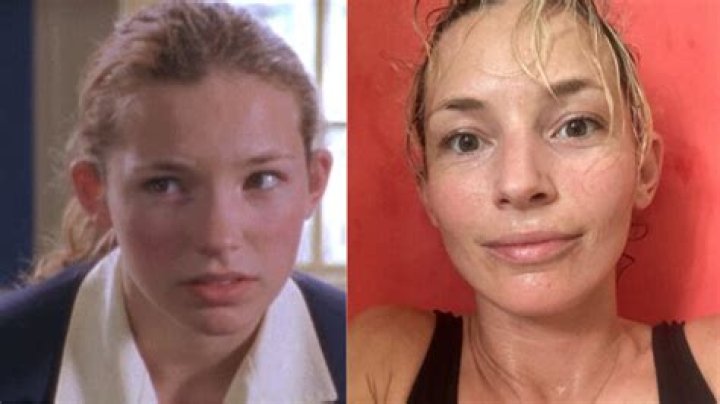
Jacob Batalon is an American actor, best known for his role as Ned Leeds in the Marvel Cinematic Universe. He has been open about his struggles with alopecia, an autoimmune condition that results in hair loss. Batalon has stated that he began losing his hair at a young age, and that it was a difficult experience for him. He has since embraced his baldness, and has become an advocate for others who are struggling with hair loss.
Alopecia is a common condition, affecting millions of people worldwide. It can be caused by a variety of factors, including genetics, autoimmune disorders, and certain medications. There is no cure for alopecia, but there are treatments that can help to slow down hair loss and improve the appearance of the scalp.
Batalon's decision to speak out about his alopecia has helped to raise awareness of the condition and its impact on those who suffer from it. He has shown that it is possible to live a full and happy life with alopecia, and has inspired others to embrace their own unique beauty.
Jacob Batalon
Jacob Batalon is an American actor, best known for his role as Ned Leeds in the Marvel Cinematic Universe. He has been open about his struggles with alopecia, an autoimmune condition that results in hair loss. Batalon's decision to speak out about his alopecia has helped to raise awareness of the condition and its impact on those who suffer from it.
- Alopecia: An autoimmune condition that causes hair loss.
- Genetics: Alopecia can be caused by genetics.
- Autoimmune disorders: Alopecia can be caused by autoimmune disorders.
- Medications: Certain medications can cause alopecia.
- Awareness: Batalon's decision to speak out about his alopecia has helped to raise awareness of the condition.
- Impact: Alopecia can have a significant impact on those who suffer from it.
- Inspiration: Batalon's story has inspired others to embrace their own unique beauty.
- Acceptance: Batalon has shown that it is possible to live a full and happy life with alopecia.
Batalon's story is a reminder that we should all embrace our own unique beauty, regardless of our physical appearance. He is an inspiration to others who are struggling with alopecia, and his story has helped to raise awareness of the condition. Batalon is a role model for us all, and his story is a reminder that we should all be proud of who we are.
Alopecia
Jacob Batalon is an American actor, best known for his role as Ned Leeds in the Marvel Cinematic Universe. He has been open about his struggles with alopecia, an autoimmune condition that results in hair loss. Alopecia is a common condition, affecting millions of people worldwide. It can be caused by a variety of factors, including genetics, autoimmune disorders, and certain medications. There is no cure for alopecia, but there are treatments that can help to slow down hair loss and improve the appearance of the scalp.
Batalon's decision to speak out about his alopecia has helped to raise awareness of the condition and its impact on those who suffer from it. He has shown that it is possible to live a full and happy life with alopecia, and has inspired others to embrace their own unique beauty.
Alopecia is a serious condition that can have a significant impact on those who suffer from it. It is important to raise awareness of the condition and to provide support for those who are struggling with it. Batalon's story is a reminder that we should all embrace our own unique beauty, regardless of our physical appearance.
Genetics
Alopecia is a condition that results in hair loss. It can be caused by a variety of factors, including genetics. In some cases, alopecia is caused by a single gene mutation. In other cases, it is caused by a combination of genes. Researchers are still working to understand the exact genetic causes of alopecia.
Jacob Batalon is an American actor who has alopecia. He has spoken openly about his condition, and has said that it is caused by genetics. Batalon's father also has alopecia, which suggests that the condition is inherited in his family.
The fact that alopecia can be caused by genetics is important because it means that the condition is not something that people can control. It is also important because it means that there is a potential for developing treatments for alopecia that target the genetic causes of the condition.
Autoimmune disorders
Autoimmune disorders are a group of conditions in which the body's immune system attacks its own healthy cells. Alopecia is a condition that results in hair loss. In some cases, alopecia can be caused by an autoimmune disorder.
Jacob Batalon is an American actor who has alopecia. He has spoken openly about his condition, and has said that it is caused by an autoimmune disorder. Batalon's immune system attacks the hair follicles on his scalp, which causes his hair to fall out.
The fact that alopecia can be caused by an autoimmune disorder is important because it means that the condition is not something that people can control. It is also important because it means that there is a potential for developing treatments for alopecia that target the underlying autoimmune disorder.
There are a number of different treatments available for alopecia. Some treatments can help to slow down hair loss, while others can improve the appearance of the scalp. There is no cure for alopecia, but there are treatments that can help to manage the condition.
Medications
Alopecia is a condition that results in hair loss. It can be caused by a variety of factors, including medications. Some medications can cause temporary hair loss, while others can cause permanent hair loss. The type of hair loss that occurs depends on the medication and the individual's response to the medication.
Jacob Batalon is an American actor who has alopecia. He has spoken openly about his condition, and has said that it is caused by a medication that he takes for another medical condition. Batalon's medication causes a side effect of hair loss. This is a common side effect of the medication, and it is something that Batalon is aware of.
The fact that certain medications can cause alopecia is important because it is a potential side effect that people need to be aware of when they are taking medication. It is also important because it means that there is a potential for developing treatments for alopecia that target the underlying cause of the condition.
Awareness
Jacob Batalon's decision to speak out about his alopecia has helped to raise awareness of the condition. Alopecia is an autoimmune condition that results in hair loss. It can be a very difficult condition to live with, and many people who suffer from alopecia feel ashamed and embarrassed about their hair loss.
- Increased visibility: Batalon's decision to speak out about his alopecia has helped to increase the visibility of the condition. This has helped to reduce the stigma associated with alopecia and has made it easier for people to talk about their experiences with the condition.
- Education: Batalon's decision to speak out about his alopecia has also helped to educate people about the condition. Many people are not aware of alopecia, and Batalon's story has helped to raise awareness of the symptoms, causes, and treatments for the condition.
- Support: Batalon's decision to speak out about his alopecia has also helped to provide support for other people who are struggling with the condition. Batalon's story has shown that it is possible to live a full and happy life with alopecia, and his story has inspired others to embrace their own unique beauty.
Batalon's decision to speak out about his alopecia has had a significant impact on the lives of many people. He has helped to raise awareness of the condition, educate people about alopecia, and provide support for others who are struggling with the condition. Batalon is a role model for us all, and his story is a reminder that we should all embrace our own unique beauty, regardless of our physical appearance.
Impact
Alopecia is a condition that can have a significant impact on those who suffer from it. It can lead to feelings of shame, embarrassment, and isolation. People with alopecia may also experience discrimination and prejudice. Jacob Batalon, an American actor who has alopecia, has spoken openly about the challenges he has faced as a result of his condition.
Batalon has said that alopecia has affected his self-esteem and confidence. He has also said that he has been the target of bullying and teasing. Despite these challenges, Batalon has chosen to embrace his alopecia. He has become an advocate for others with alopecia, and he uses his platform to raise awareness of the condition.
Batalon's story is an important reminder that alopecia can have a significant impact on those who suffer from it. It is important to be aware of the challenges that people with alopecia face, and to be supportive of those who are struggling with the condition.
Inspiration
Jacob Batalon's decision to speak out about his alopecia has inspired others to embrace their own unique beauty. Batalon's story has shown that it is possible to live a full and happy life with alopecia, and has inspired others to accept themselves for who they are.
- Self-acceptance: Batalon's story has helped others to accept themselves for who they are, regardless of their physical appearance. Batalon's alopecia is a visible reminder that everyone is different, and that it is okay to be different.
- Confidence: Batalon's story has helped others to build confidence in themselves. Batalon's confidence in himself has inspired others to be more confident in themselves, regardless of their own challenges.
- Community: Batalon's story has helped to create a sense of community among people with alopecia. Batalon's story has shown that people with alopecia are not alone, and that there are others who understand what they are going through.
- Advocacy: Batalon's story has helped to raise awareness of alopecia and to advocate for people with alopecia. Batalon's story has helped to change the way that people view alopecia, and has helped to create a more inclusive world for people with alopecia.
Batalon's story is an inspiration to us all. He has shown that it is possible to overcome adversity and to live a full and happy life. Batalon's story is a reminder that we should all embrace our own unique beauty, regardless of our physical appearance.
Acceptance
Jacob Batalon's acceptance of his alopecia is a powerful example of how to live a full and happy life despite challenges. His decision to speak out about his condition has helped to raise awareness and acceptance of alopecia, and has inspired others to embrace their own unique beauty. Batalon's story is a reminder that we should all accept ourselves for who we are, regardless of our physical appearance.
Alopecia is a condition that can cause significant emotional distress. People with alopecia may feel ashamed, embarrassed, and isolated. They may also experience discrimination and prejudice. Batalon's acceptance of his alopecia is a powerful example of how to overcome these challenges and live a full and happy life.
Batalon's story is an inspiration to us all. He has shown that it is possible to overcome adversity and to live a full and happy life. Batalon's story is a reminder that we should all embrace our own unique beauty, regardless of our physical appearance.
FAQs on Jacob Batalon's Alopecia
Jacob Batalon, an American actor known for his role in the Marvel Cinematic Universe, has alopecia, an autoimmune condition that results in hair loss. Here are some frequently asked questions about his condition and its impact:
Question 1: What is alopecia?
Alopecia is a condition that causes hair loss. It can be caused by a variety of factors, including genetics, autoimmune disorders, and certain medications.
Question 2: What type of alopecia does Jacob Batalon have?
Jacob Batalon has alopecia areata, which is an autoimmune disorder that causes hair loss in round patches.
Question 3: What are the symptoms of alopecia areata?
The symptoms of alopecia areata include sudden hair loss in round patches, usually on the scalp. The hair loss can be temporary or permanent.
Question 4: Is there a cure for alopecia areata?
There is no cure for alopecia areata, but there are treatments that can help to slow down hair loss and improve the appearance of the scalp.
Question 5: How does alopecia areata affect Jacob Batalon's life?
Jacob Batalon has said that alopecia areata has affected his self-esteem and confidence. He has also said that he has been the target of bullying and teasing.
Question 6: How does Jacob Batalon cope with alopecia areata?
Jacob Batalon has said that he has learned to accept his alopecia areata and that he no longer feels ashamed of it. He has also said that he uses his platform to raise awareness of the condition and to help others who are struggling with it.
Summary: Alopecia areata is a challenging condition, but Jacob Batalon's story shows that it is possible to live a full and happy life with it. He is an inspiration to others who are struggling with alopecia areata, and his story helps to raise awareness of the condition.
Transition to the next article section: Jacob Batalon's alopecia areata is just one example of the many challenges that people with chronic conditions face. In the next section, we will explore some of the other challenges that people with chronic conditions face, and we will discuss some of the ways that they can overcome these challenges.
Tips on Coping with Alopecia
Alopecia is a challenging condition, but there are things that you can do to cope with it and live a full and happy life. Here are a few tips:
Tip 1: Educate yourself about alopecia.The more you know about alopecia, the better equipped you will be to cope with it. Learn about the different types of alopecia, the causes of alopecia, and the treatments for alopecia. This knowledge will help you to make informed decisions about your care.Tip 2: Find a support group.There are many support groups available for people with alopecia. These groups can provide you with emotional support, information about alopecia, and tips on how to cope with the condition.Tip 3: Talk to a therapist.A therapist can help you to cope with the emotional challenges of alopecia. Therapy can help you to develop coping mechanisms, build self-esteem, and improve your overall mental health.Tip 4: Focus on your strengths.Alopecia can affect your appearance, but it does not define you. Focus on your strengths and the things that you love about yourself. This will help you to build self-confidence and to feel good about yourself.Tip 5: Be patient.Alopecia is a chronic condition, and it takes time to adjust to it. Be patient with yourself and give yourself time to heal.Tip 6: Don't give up.There are many resources available to help you cope with alopecia. Don't give up on yourself. With the right support, you can live a full and happy life with alopecia.Summary: Alopecia is a challenging condition, but it is important to remember that you are not alone. There are many resources available to help you cope with alopecia and live a full and happy life.Transition to the article's conclusion: With the right support, you can overcome the challenges of alopecia and live a full and happy life.Conclusion
Jacob Batalon's alopecia is a reminder that we should all embrace our own unique beauty, regardless of our physical appearance. Batalon's story is an inspiration to us all.
Alopecia is a challenging condition, but it is important to remember that you are not alone. There are many resources available to help you cope with alopecia and live a full and happy life. With the right support, you can overcome the challenges of alopecia and live a full and happy life.